FileOrbis
FileOrbis is a secure file management platform that enables organizations to manage their corporate documents through a centralized, controlled, and protected system. By bringing together critical capabilities such as authorization, access control, and secure file sharing, FileOrbis aims to enhance both data security and operational efficiency.
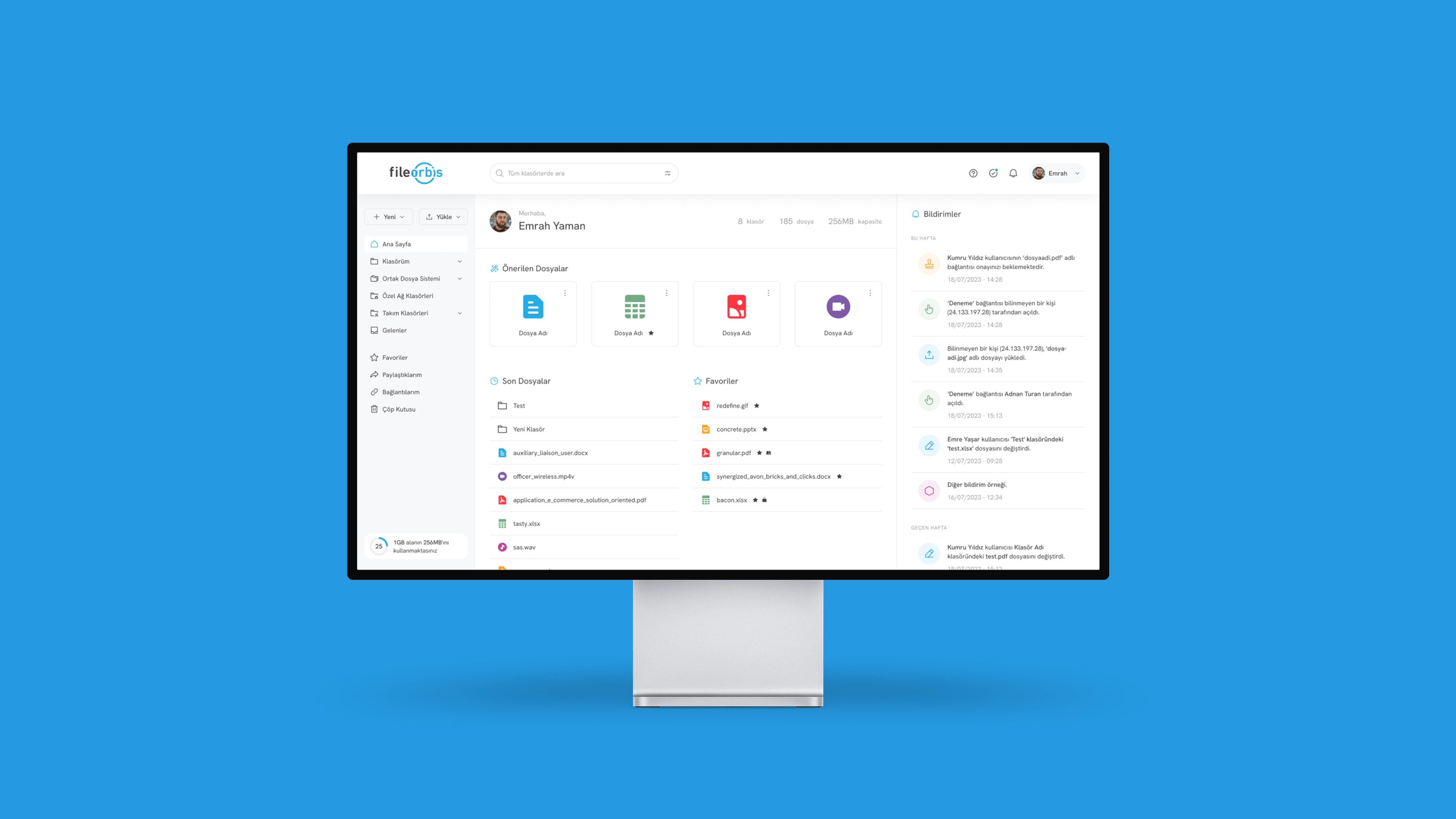
As part of this project, the FileOrbis B2B platform was redesigned to better align with its enterprise focus. The new structure emphasizes clarity, strengthens the perception of security, and communicates the product’s value proposition directly to decision-makers.
Understanding the existing user experience and identifying needs
At the initial stage of the project, online one-on-one sessions were conducted with active users from different companies, organized by FileOrbis. These sessions focused on evaluating the existing platform experience, identifying friction points within the previous version, and clearly understanding users’ improvement expectations.
Based on the insights gathered from these user interviews, a clear strategy was defined and a structured roadmap was created. This roadmap prioritized user needs, addressed critical experience issues, and outlined the steps required to redesign the platform in a way that strengthens FileOrbis’ B2B positioning and long-term product vision.

A design and prototyping process shaped by user insights
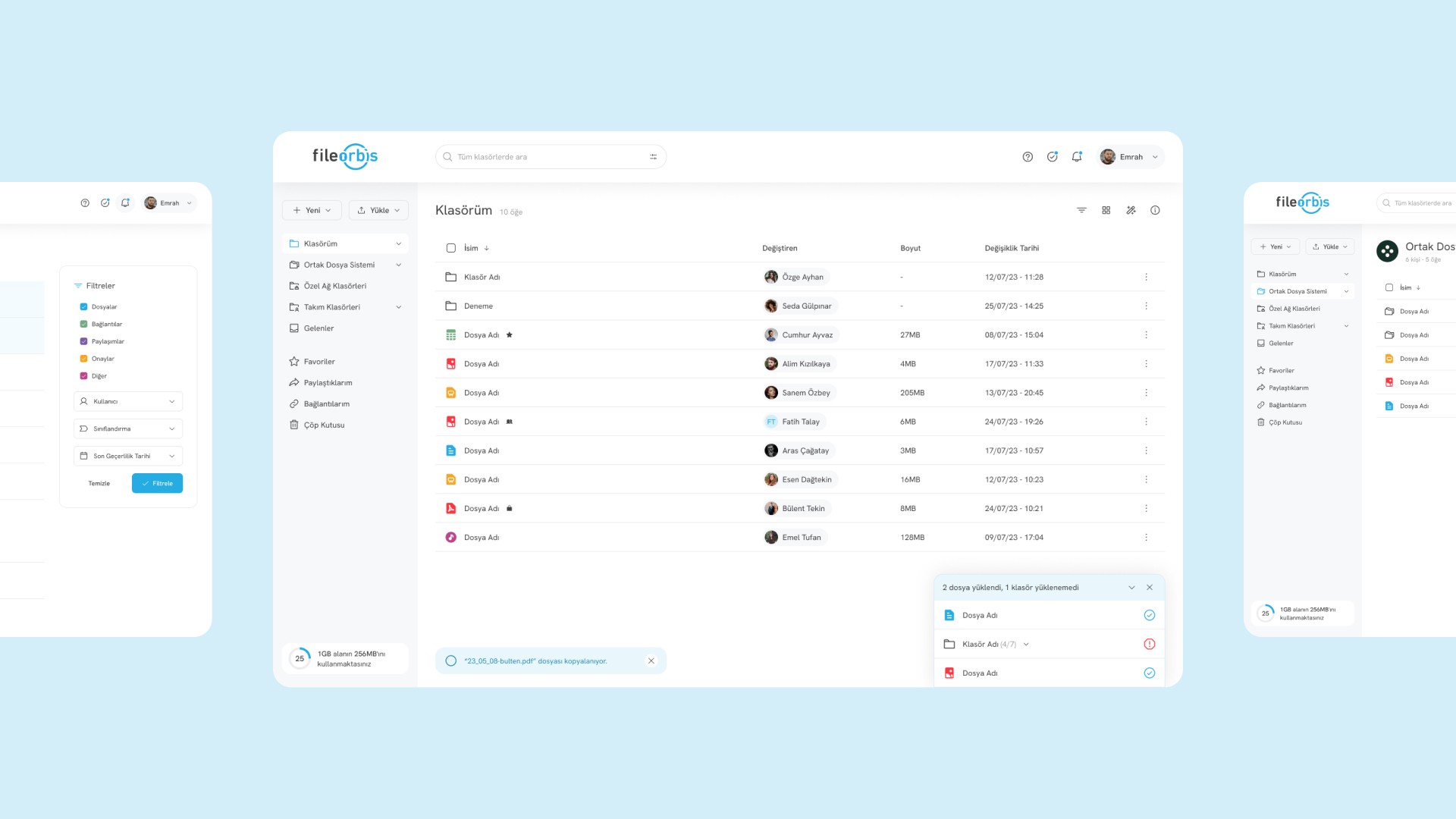
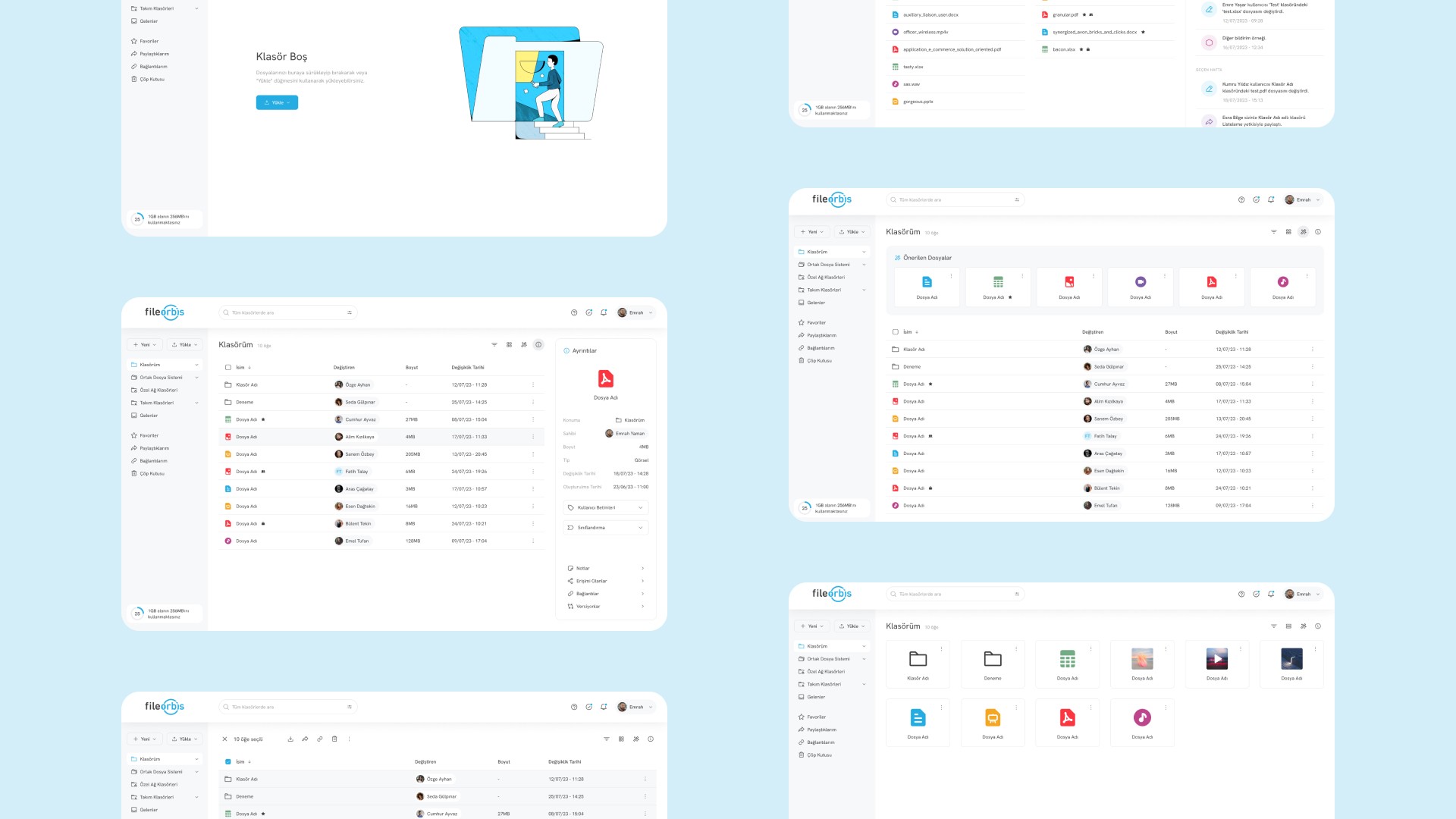
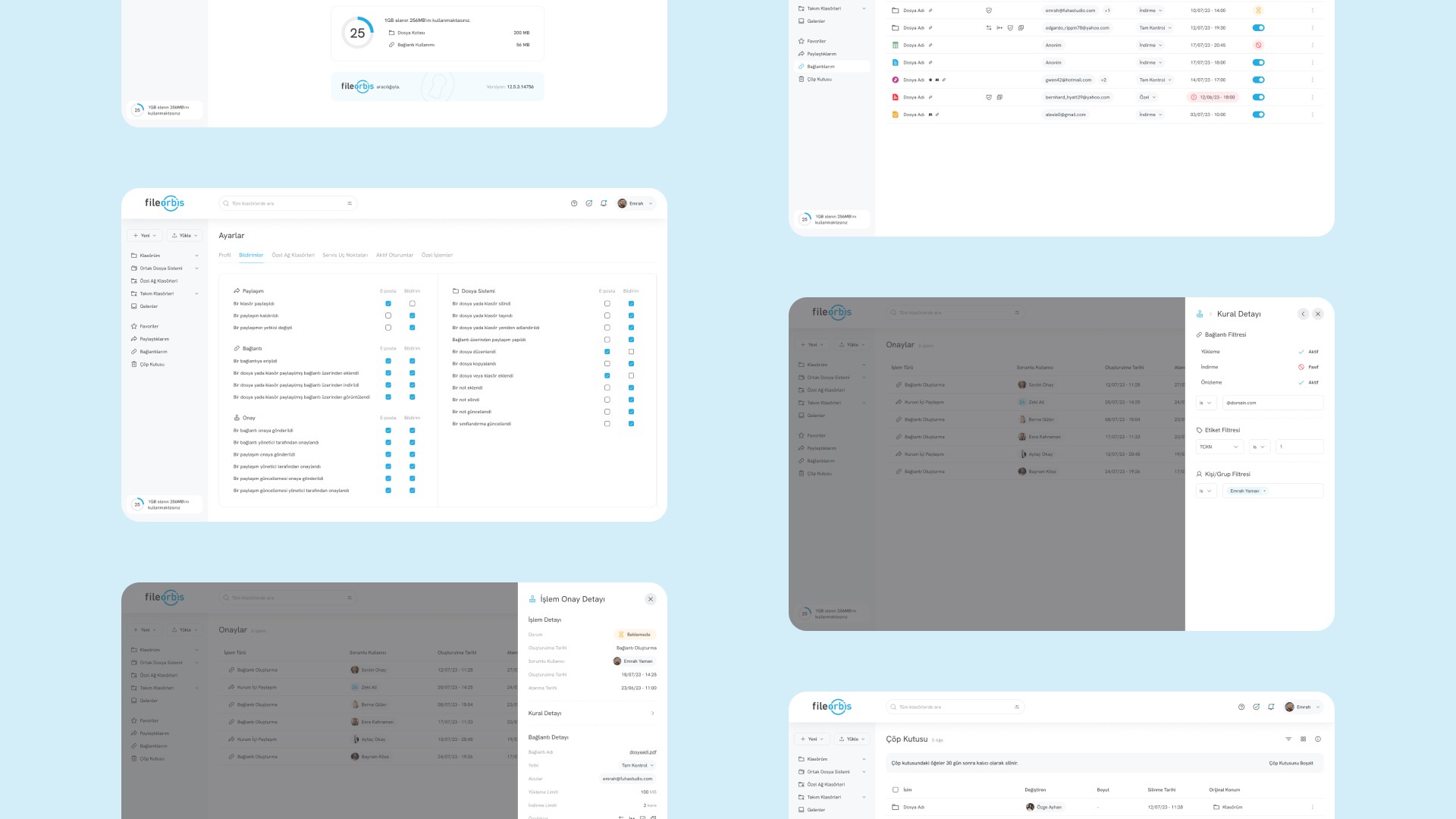
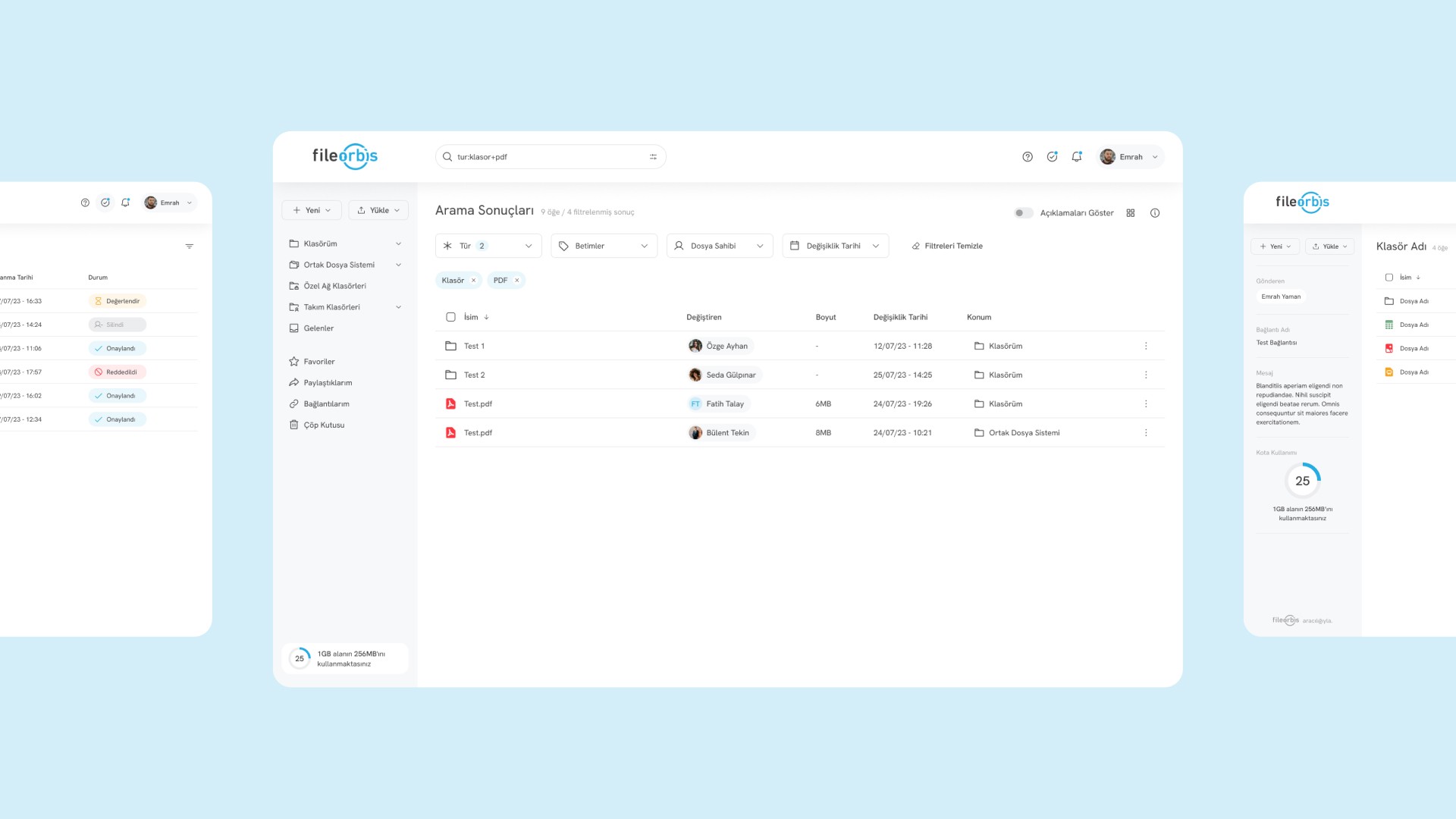
In line with the defined strategy and roadmap, an extensive design process was carried out in close collaboration with the FileOrbis team. Throughout this phase, all screens of FileOrbis were thoroughly addressed, with user flows, information architecture, and interactions redesigned end to end.
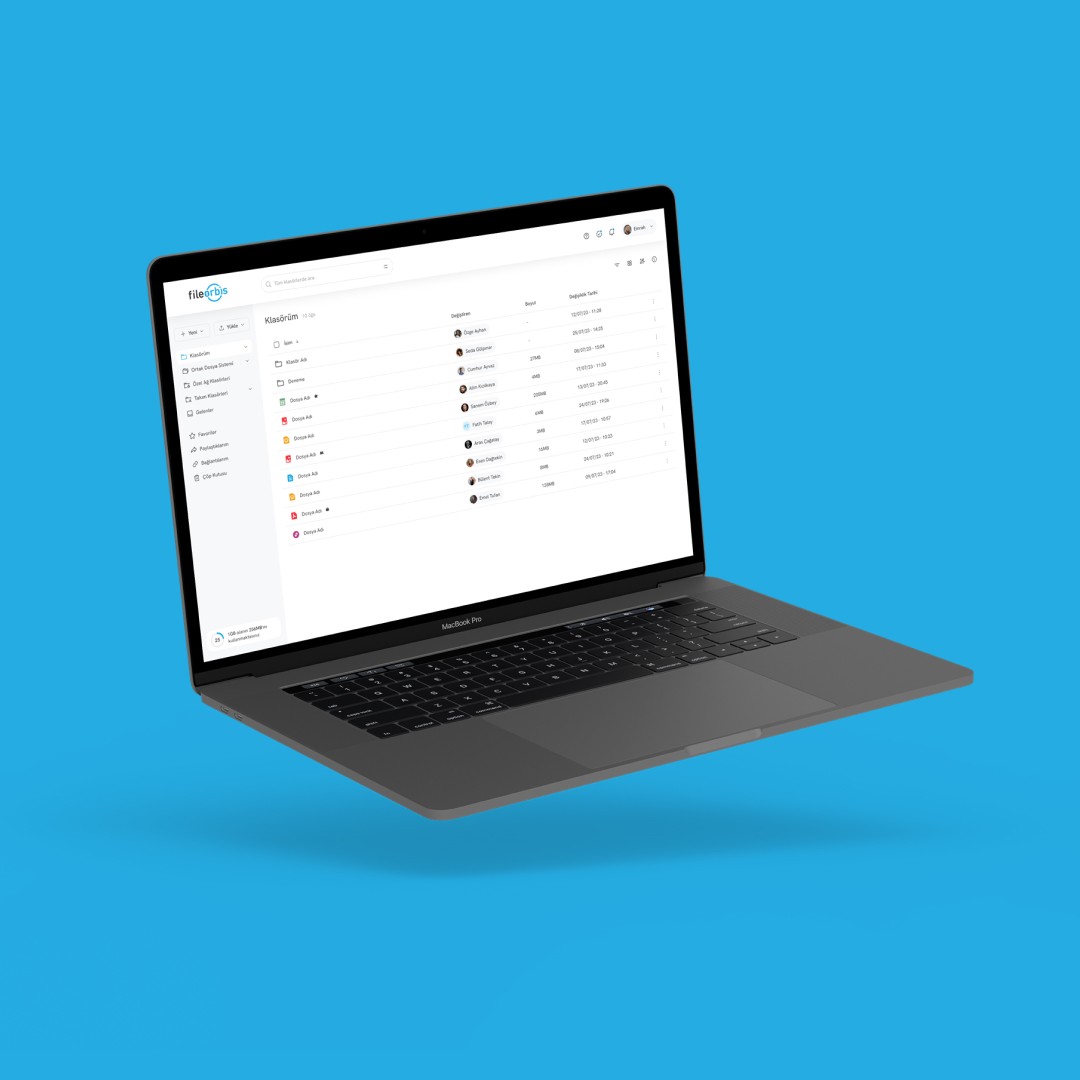
The design phase was approached not merely as a visual update, but as a way to deliver a realistic product experience. All screens were prototyped with high fidelity to reflect real-life usage scenarios, making the experience tangible and testable. This approach helped translate FileOrbis’ core values of security, control, and usability into a concrete and cohesive product experience.
Building a consistent and powerful experience across web and mobile
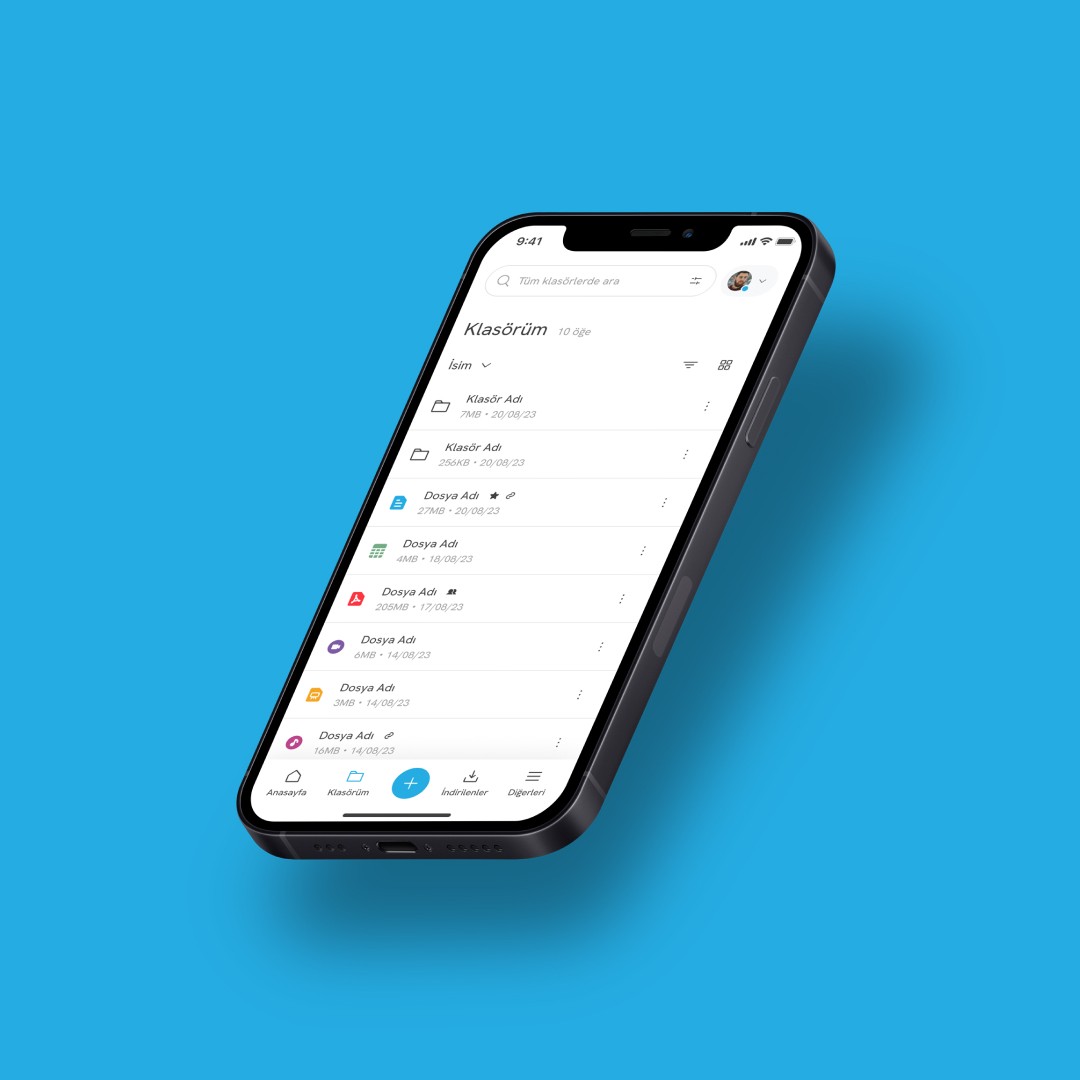
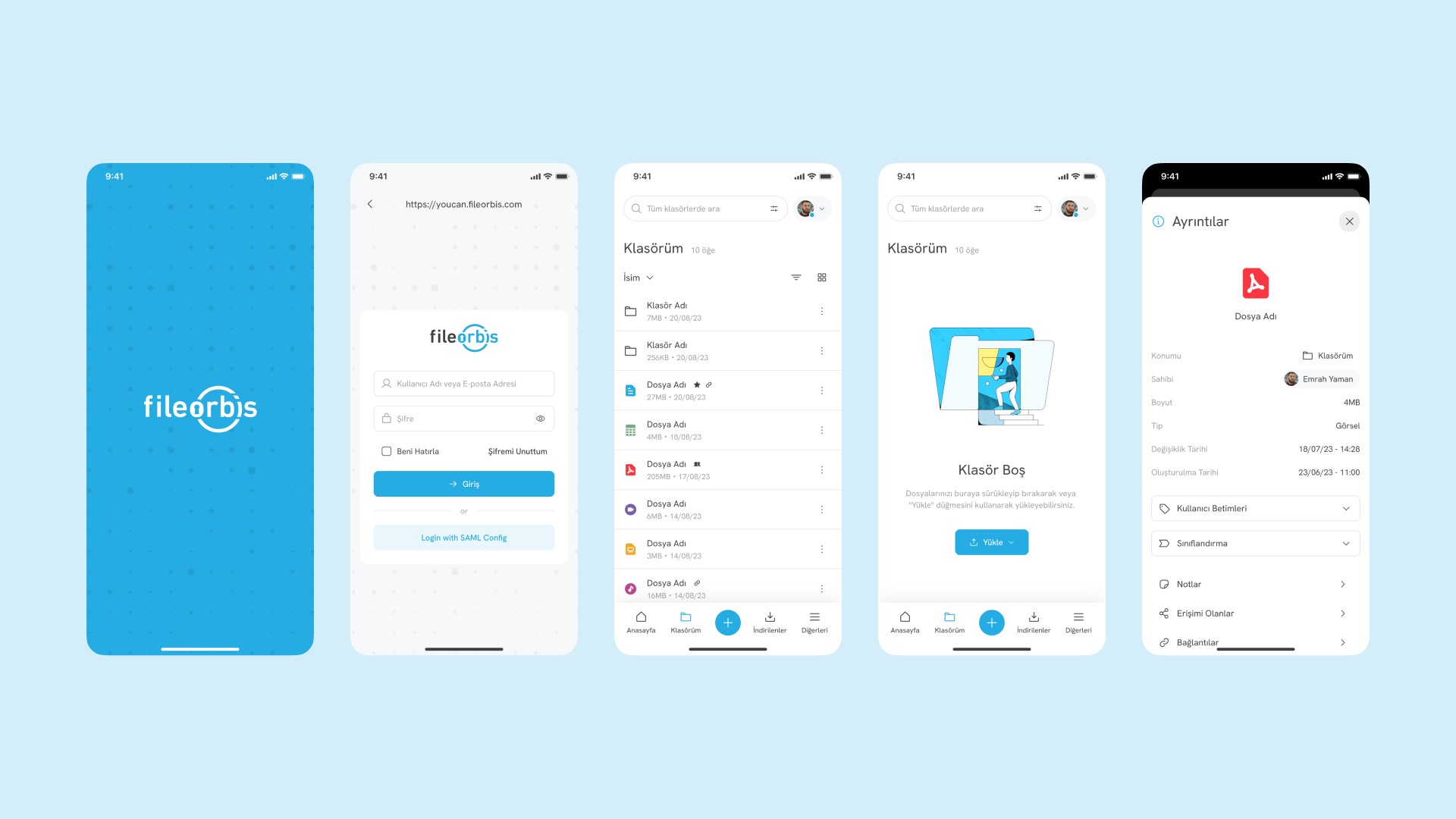
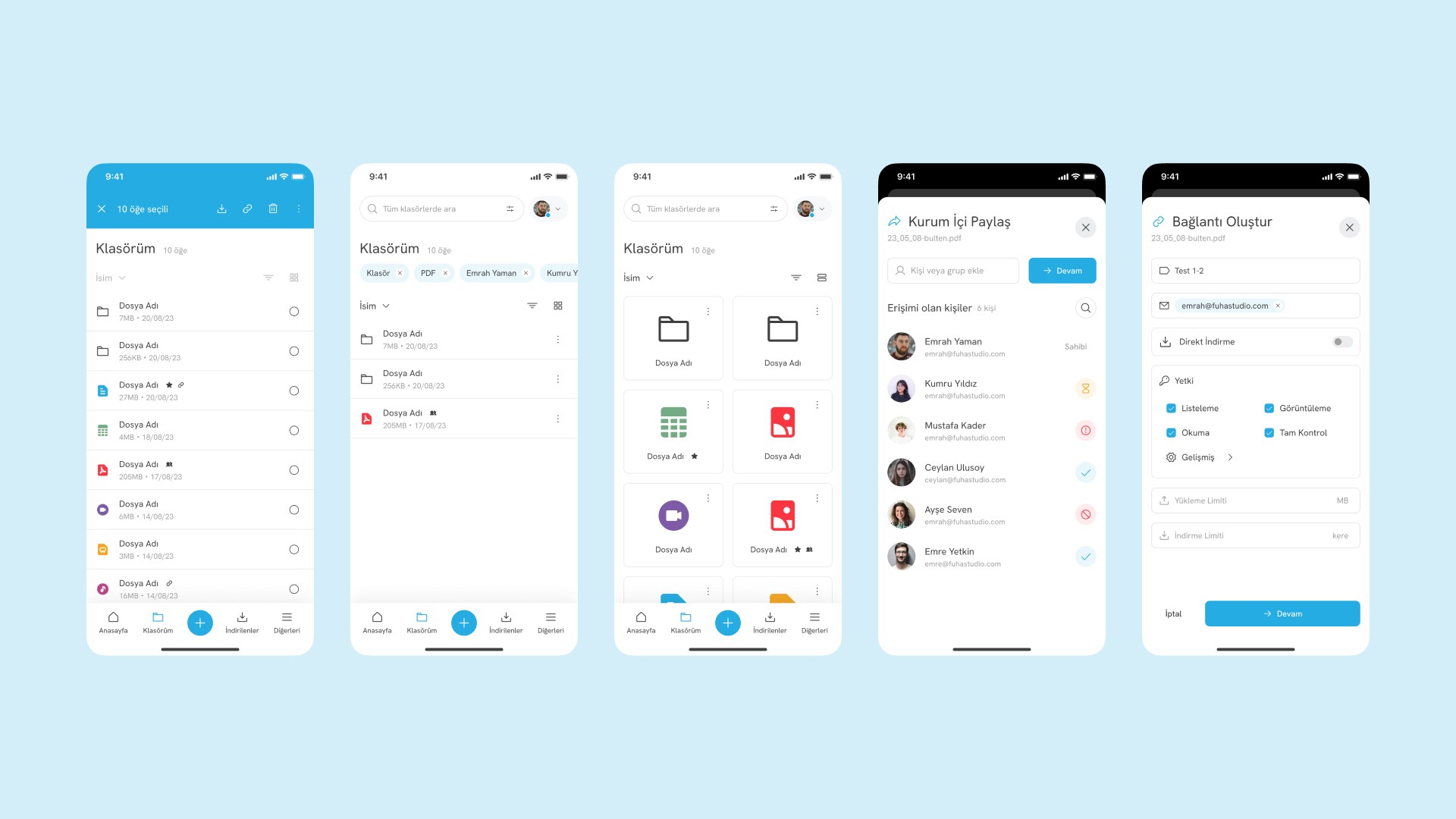
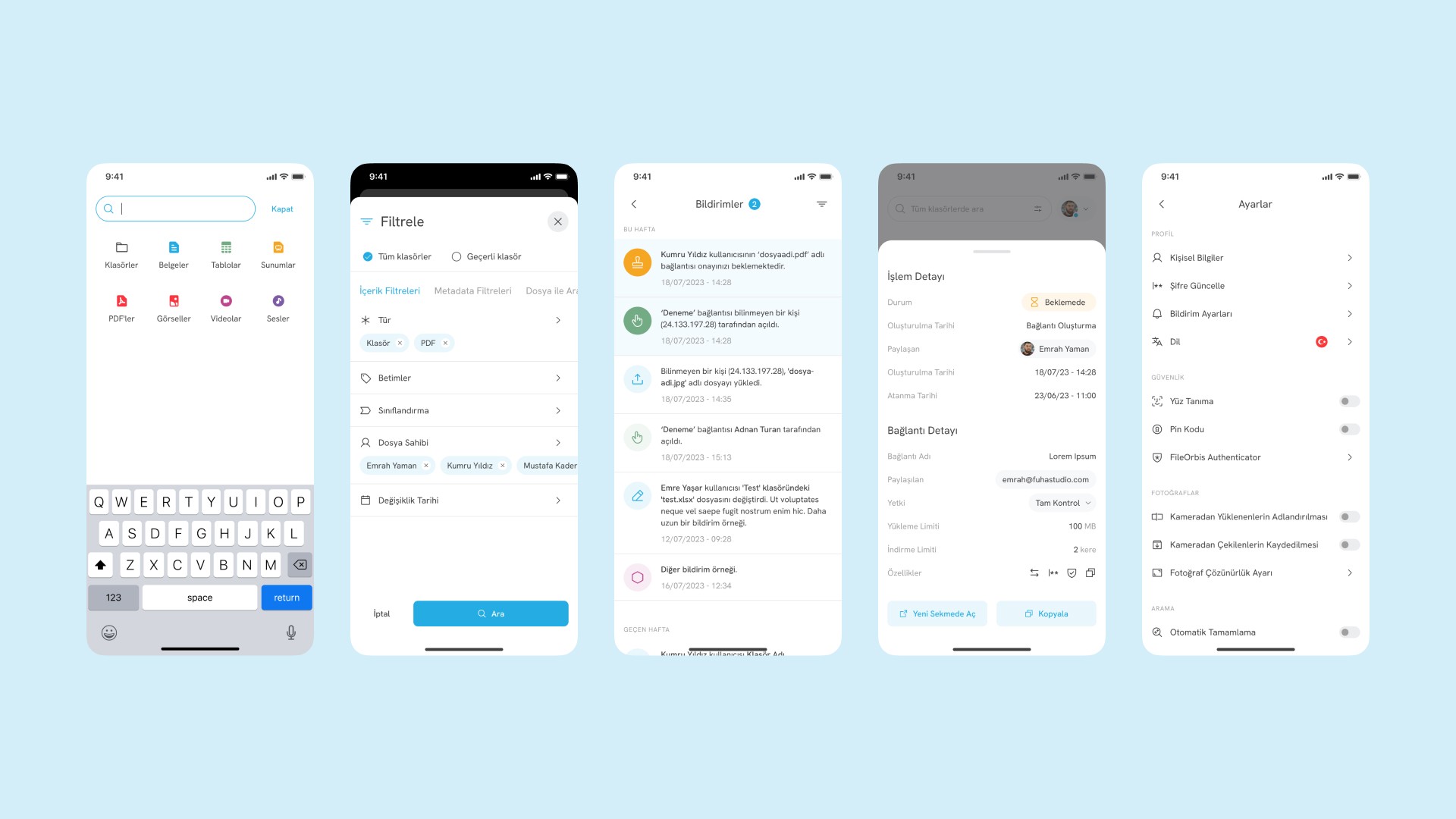
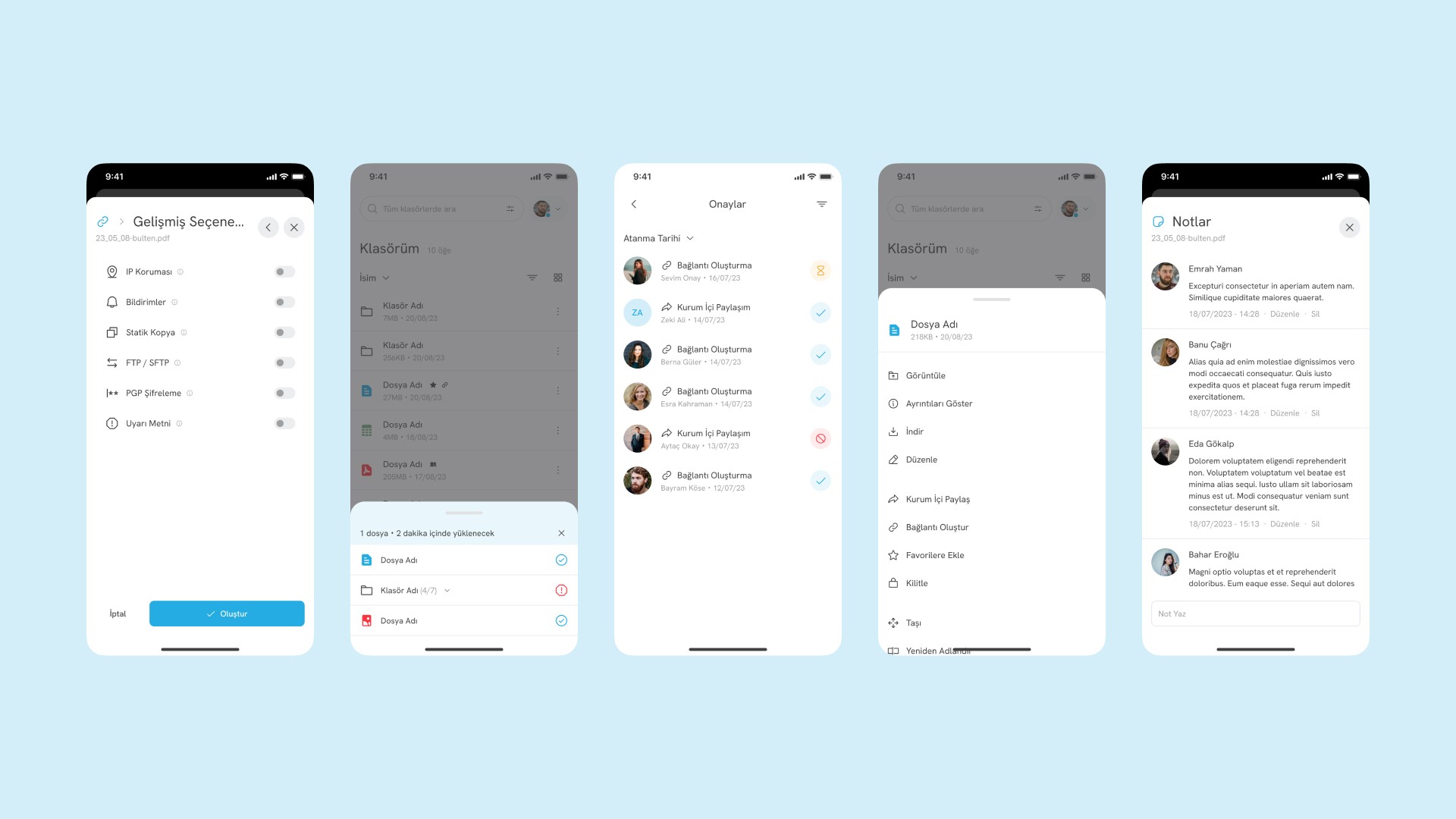
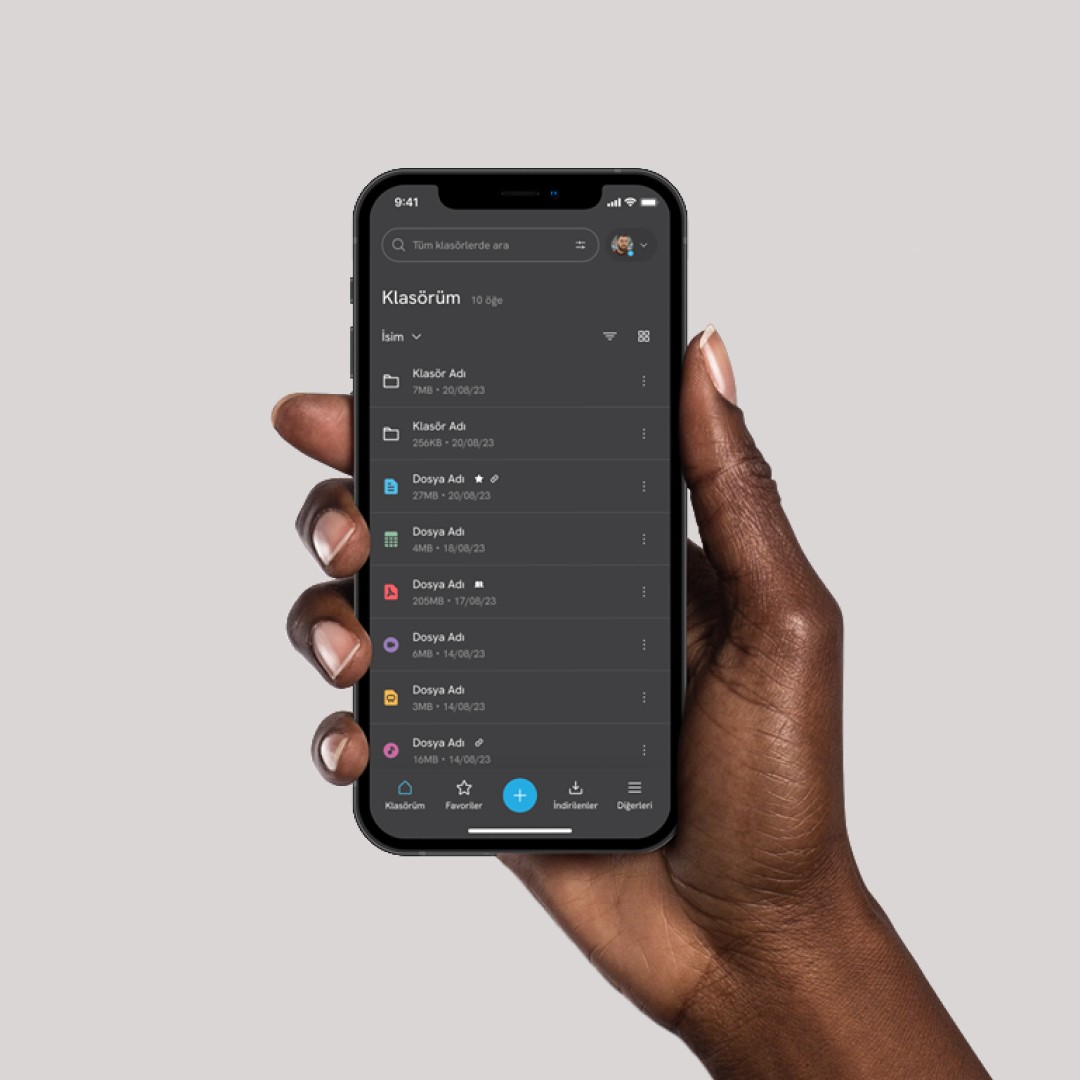
The experience designed for FileOrbis was not limited to desktop, but extended to cover both responsive web and mobile application screens. To ensure continuity across platforms, mobile app interfaces for FileOrbis were developed using a unified design system.
On the mobile application side, the experience was reinterpreted by leveraging the advantages of native usage. While maintaining the same design language as the web experience, the mobile application enabled a richer, more fluid, and more engaging product experience.

Expanding the experience for multiple languages, themes and use cases
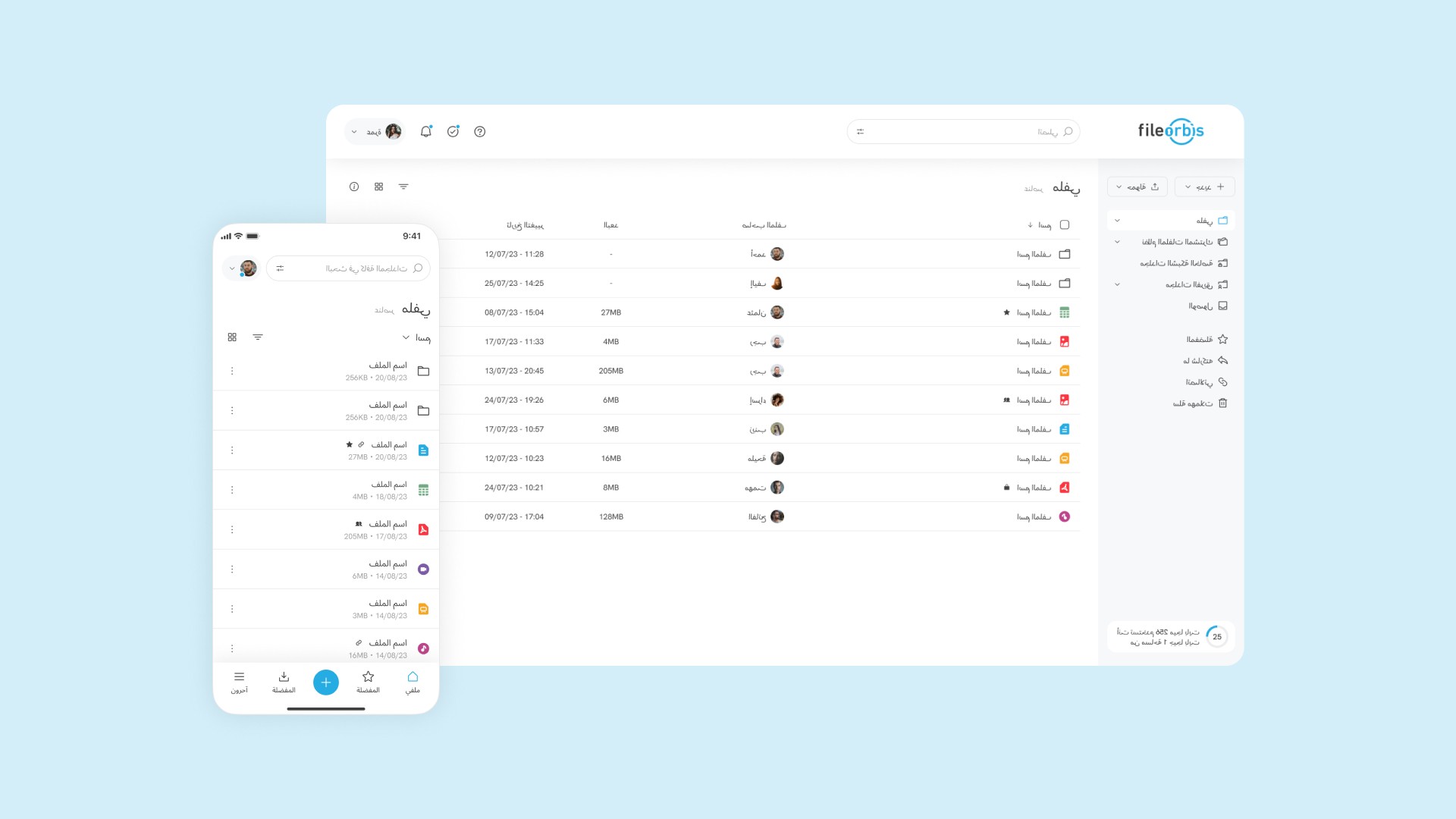
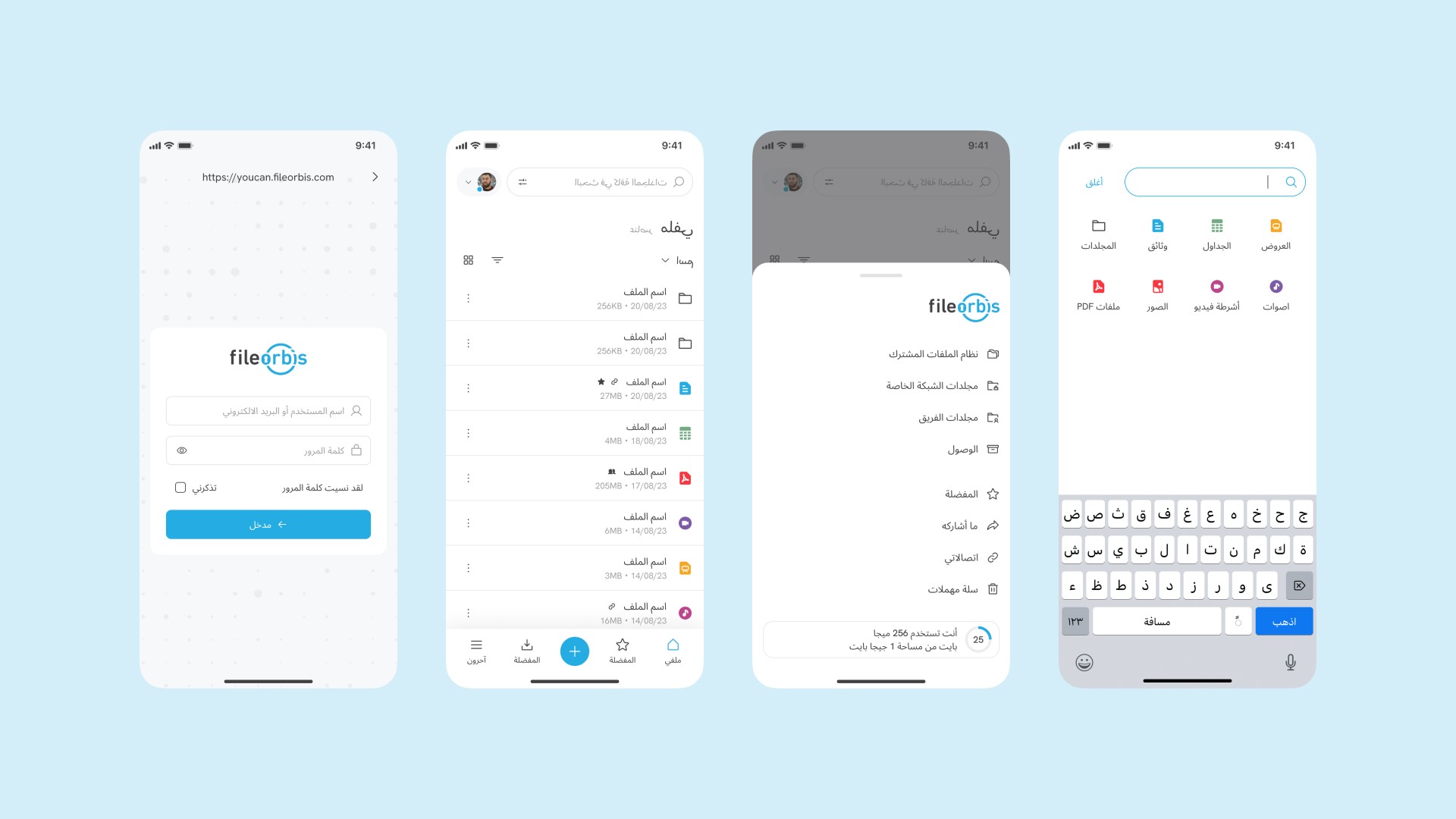
To ensure a consistent experience across different markets, the Arabic version of FileOrbis was comprehensively designed as part of the project. Layouts, typography, and interactions were re-evaluated to support right-to-left (RTL) usage, resulting in an experience that goes beyond translation and is fully adapted to local reading and usage patterns.
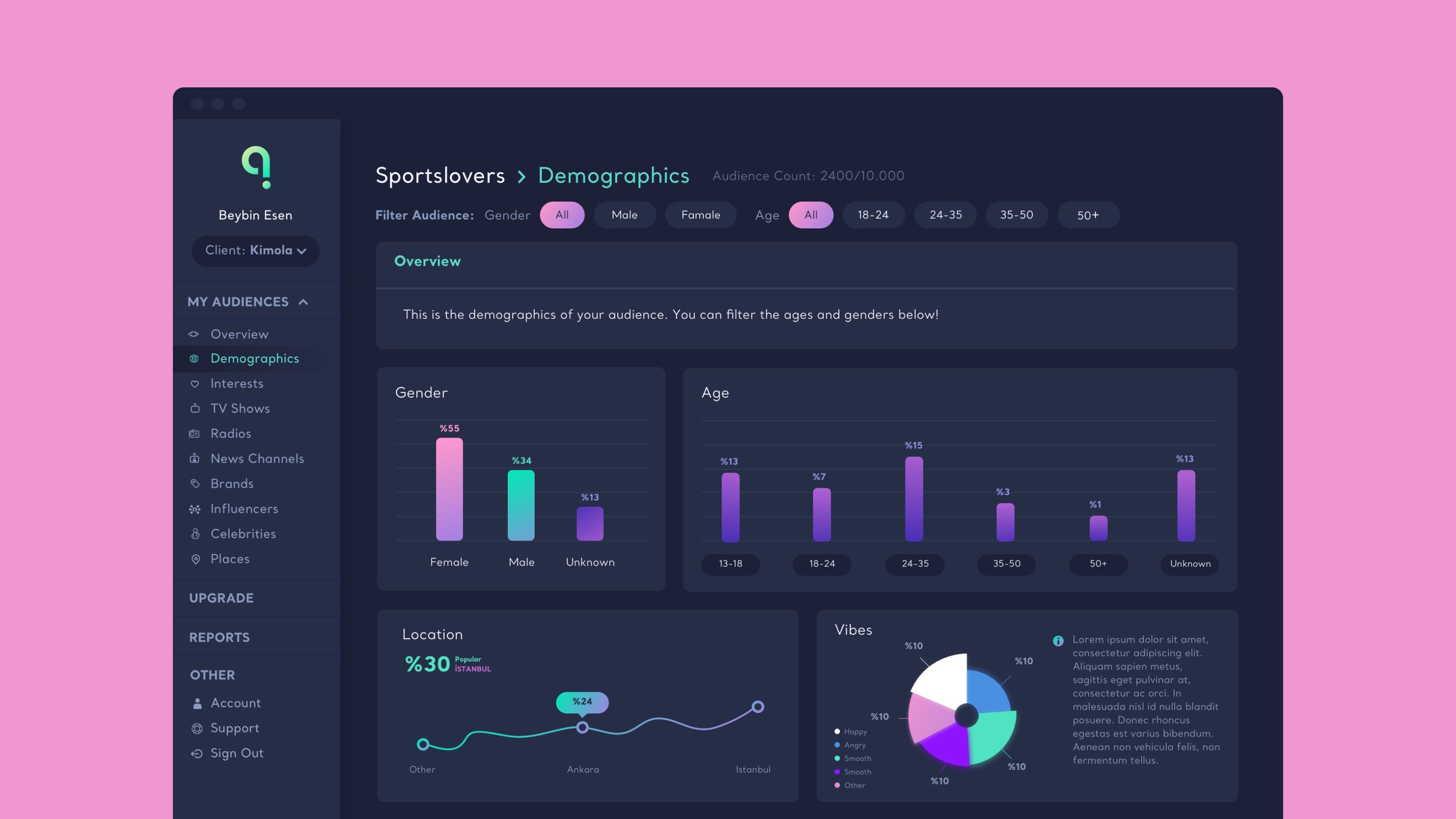
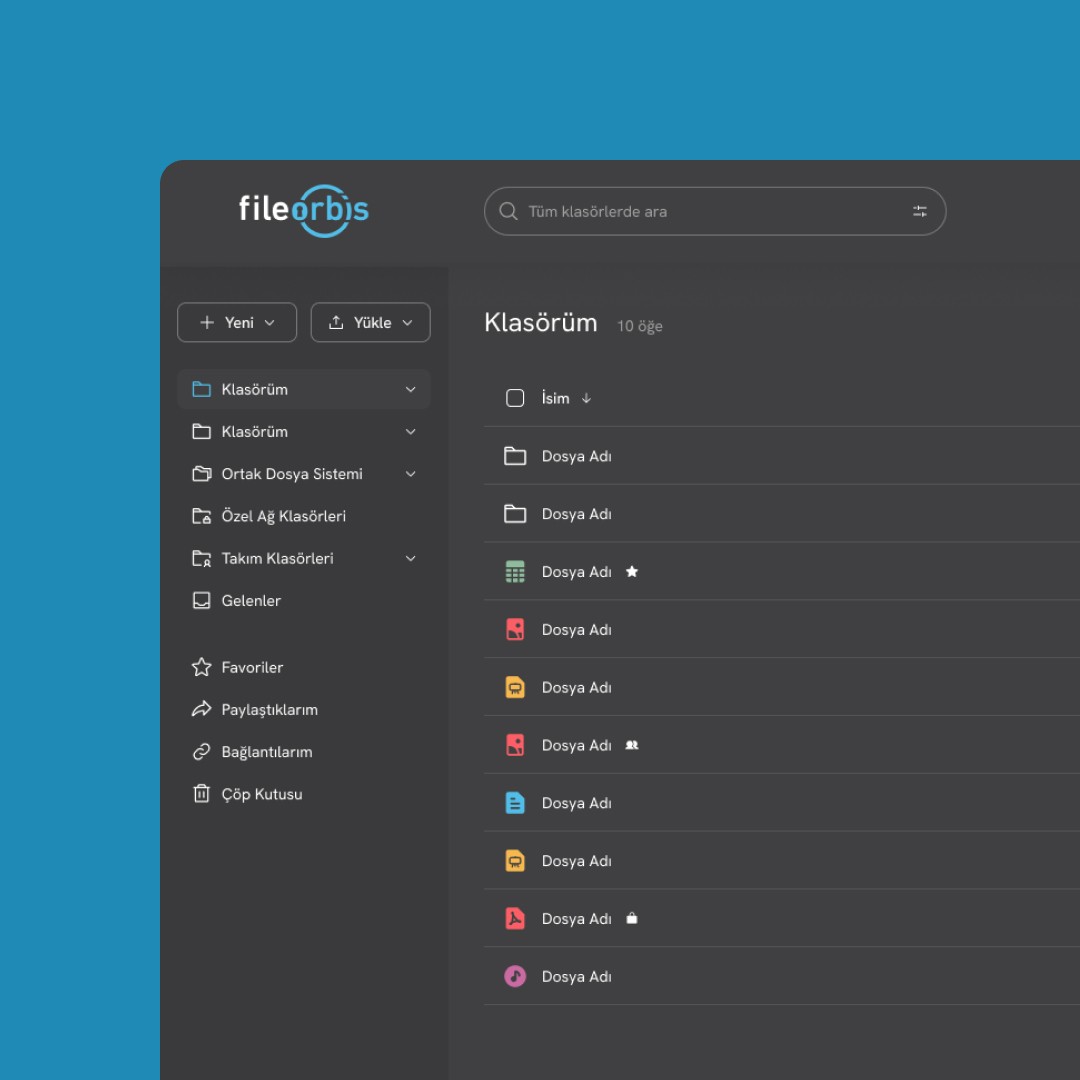
In addition, a dark mode option was designed by taking user preferences and extended usage scenarios into consideration. Dark mode was developed in alignment with the existing design language, offering an alternative experience that enhances both visual consistency and user comfort. Through these efforts, FileOrbis evolved into a flexible and scalable product capable of addressing diverse languages, cultures, and usage needs.
Enhancing the visual language with custom illustrations and micro animations
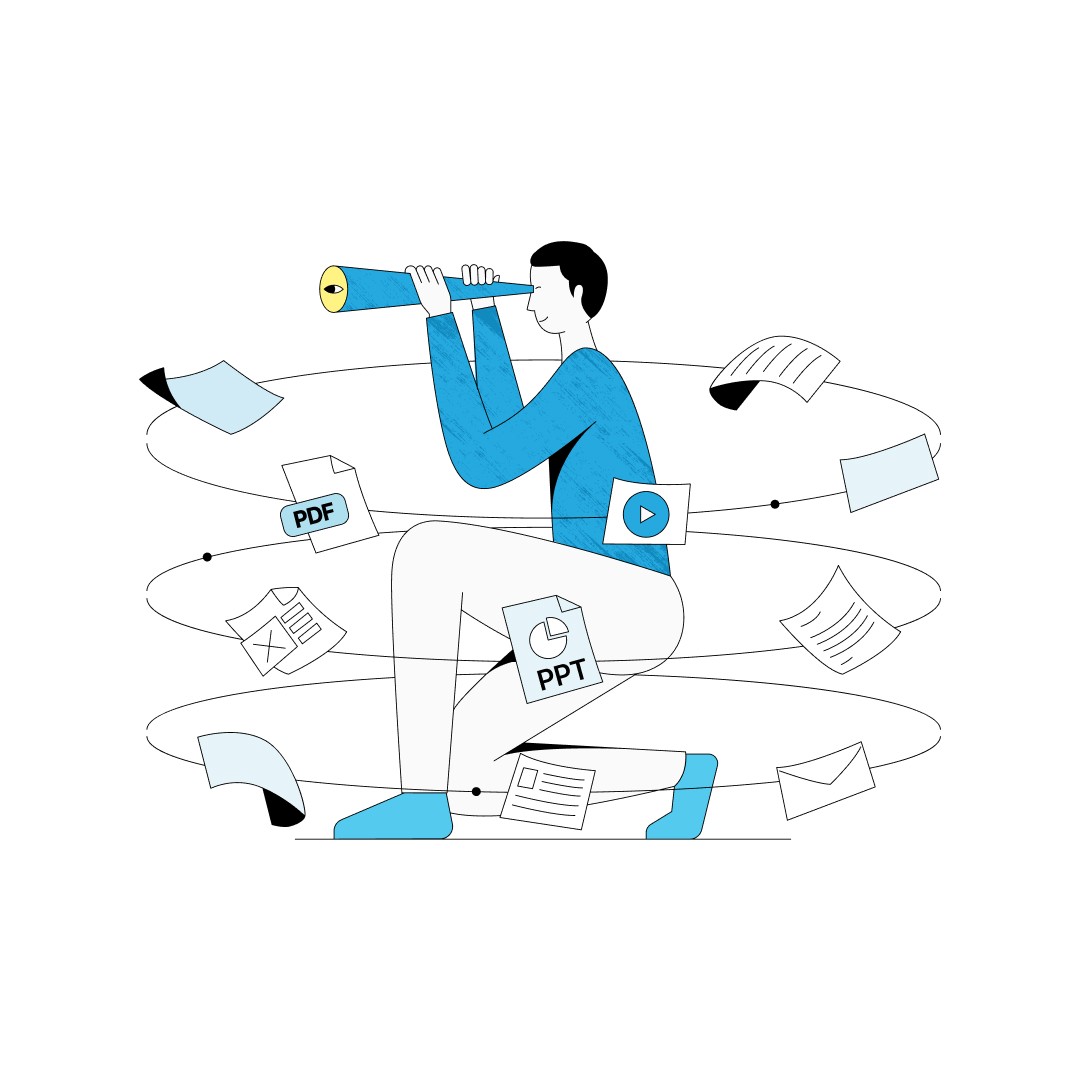
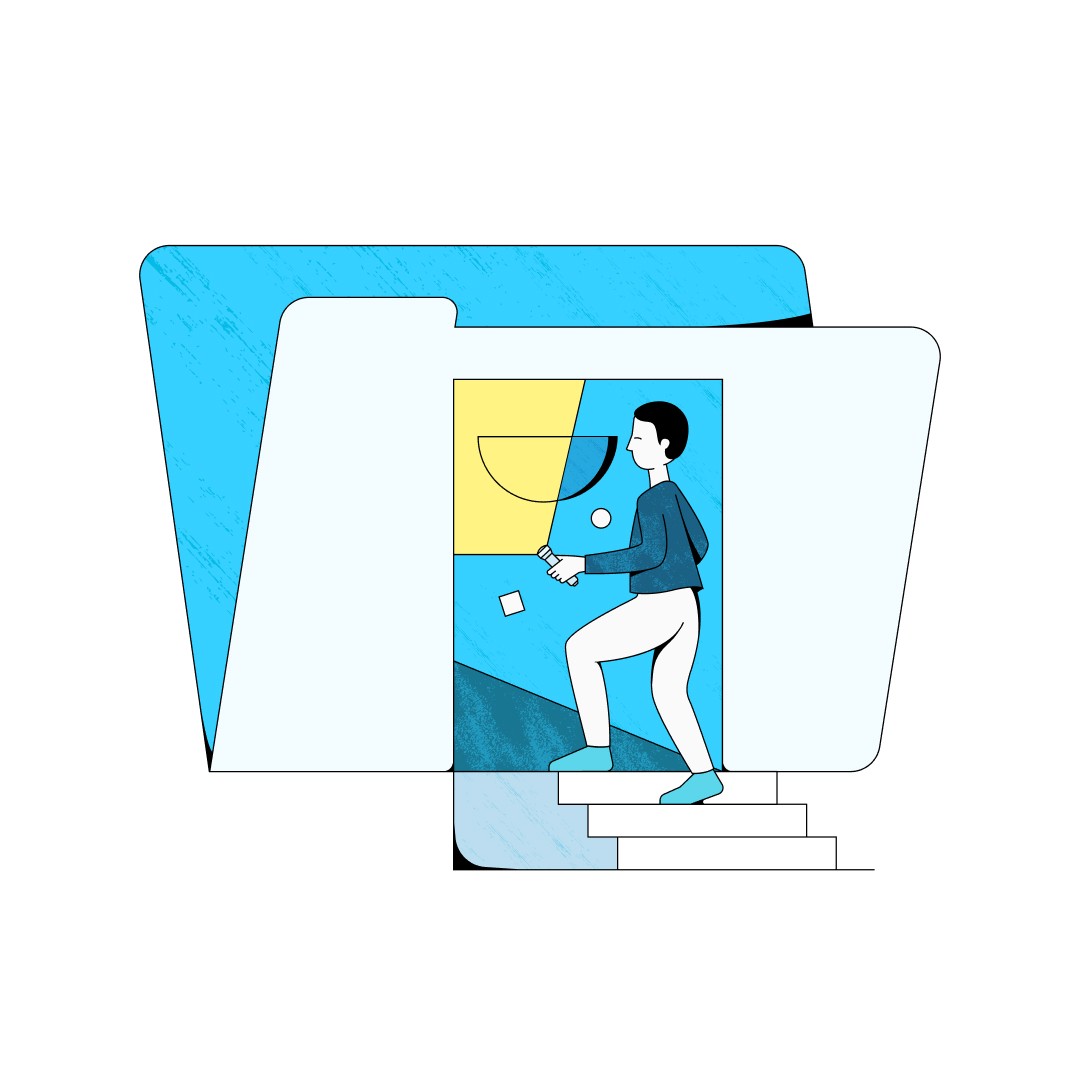
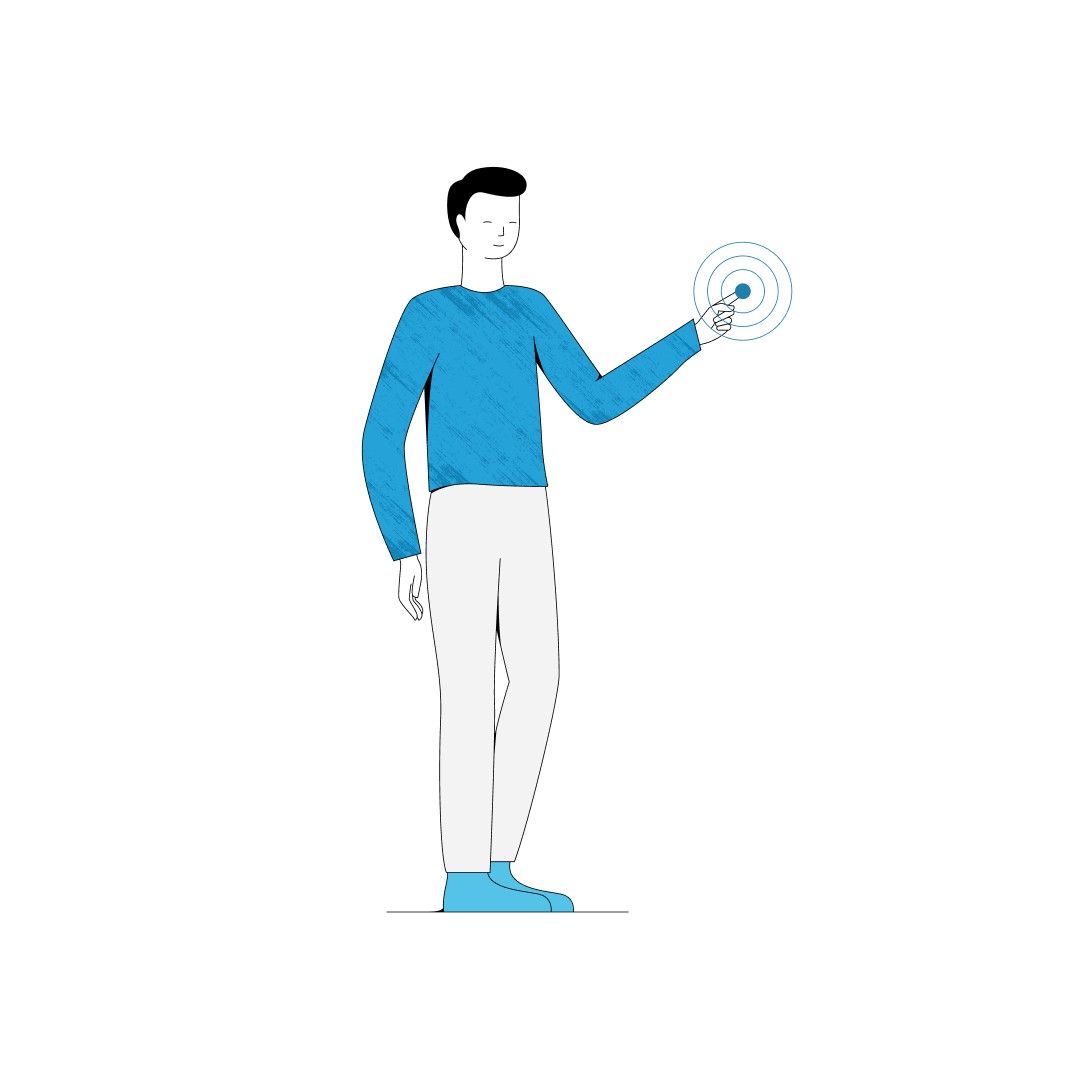
To strengthen the platform’s visual narrative, custom illustrations were created specifically for FileOrbis. These illustrations were designed to support the brand’s focus on security and control, establishing a clean, modern, and enterprise-ready design language.
To complement this visual approach, work was carried out on micro animations that support user interactions. These animations helped smooth transitions, clarify feedback moments, and make the overall experience feel more intuitive. As a result, the visual language became an active component of the user experience rather than a purely aesthetic layer.

Establishing a sustainable system from design to development
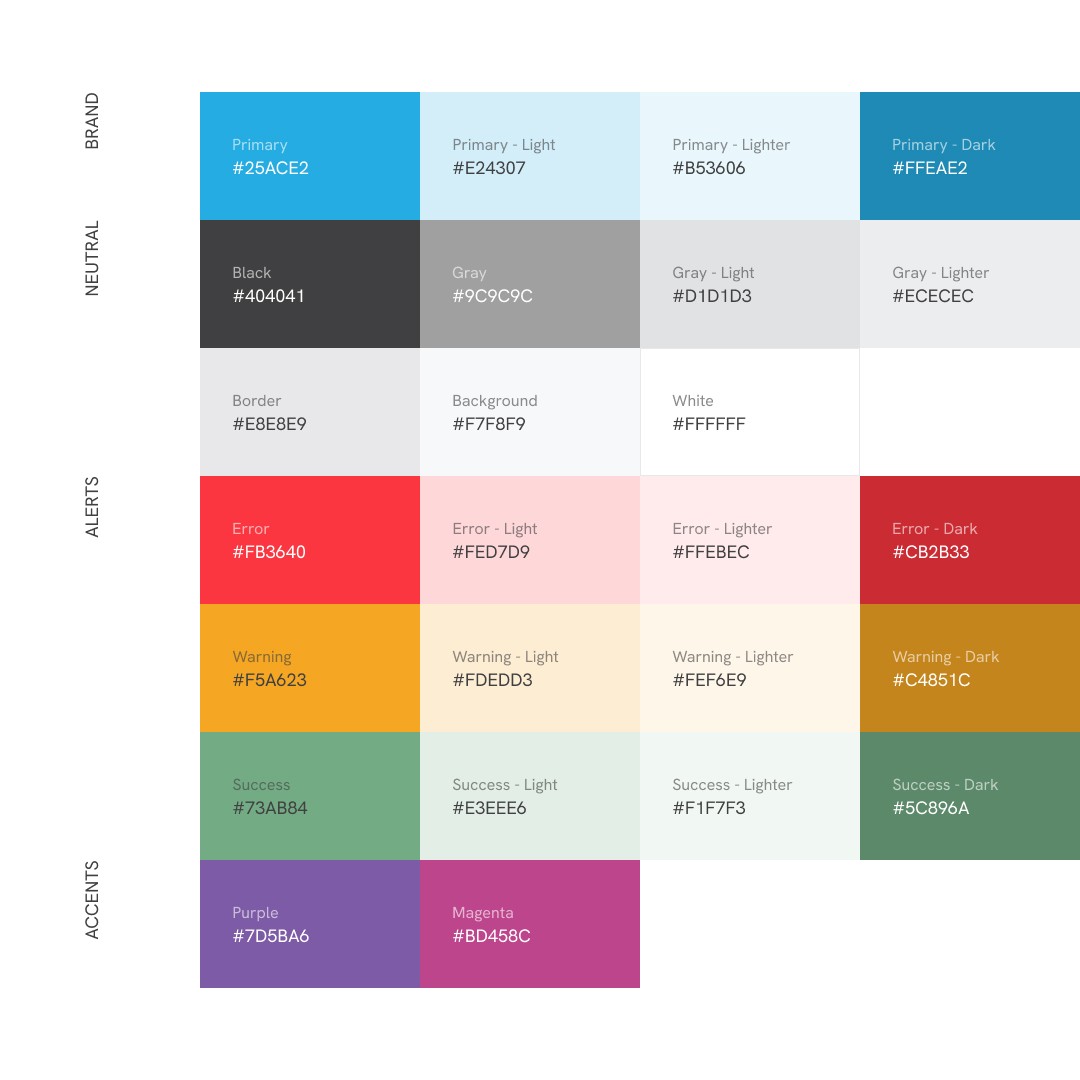
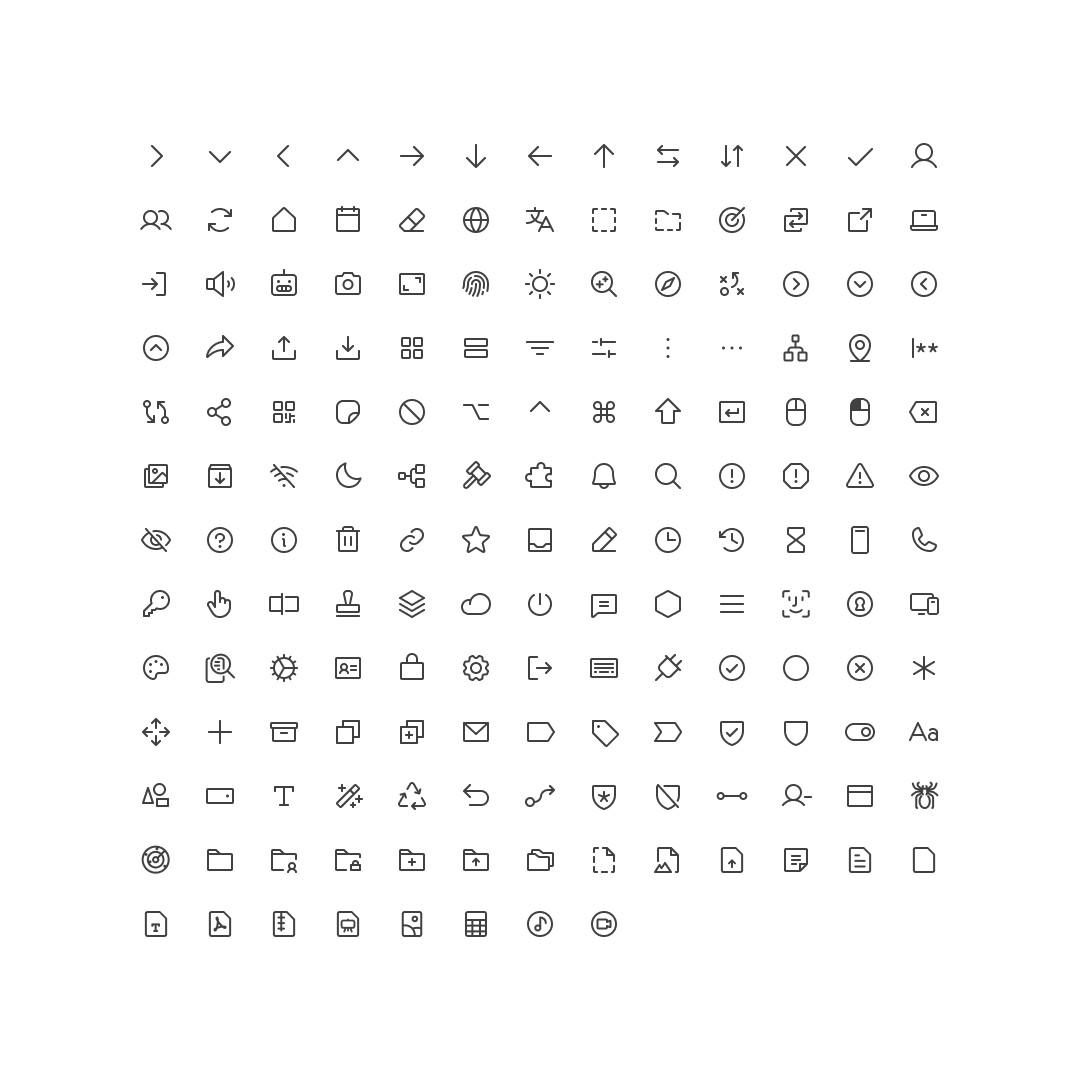
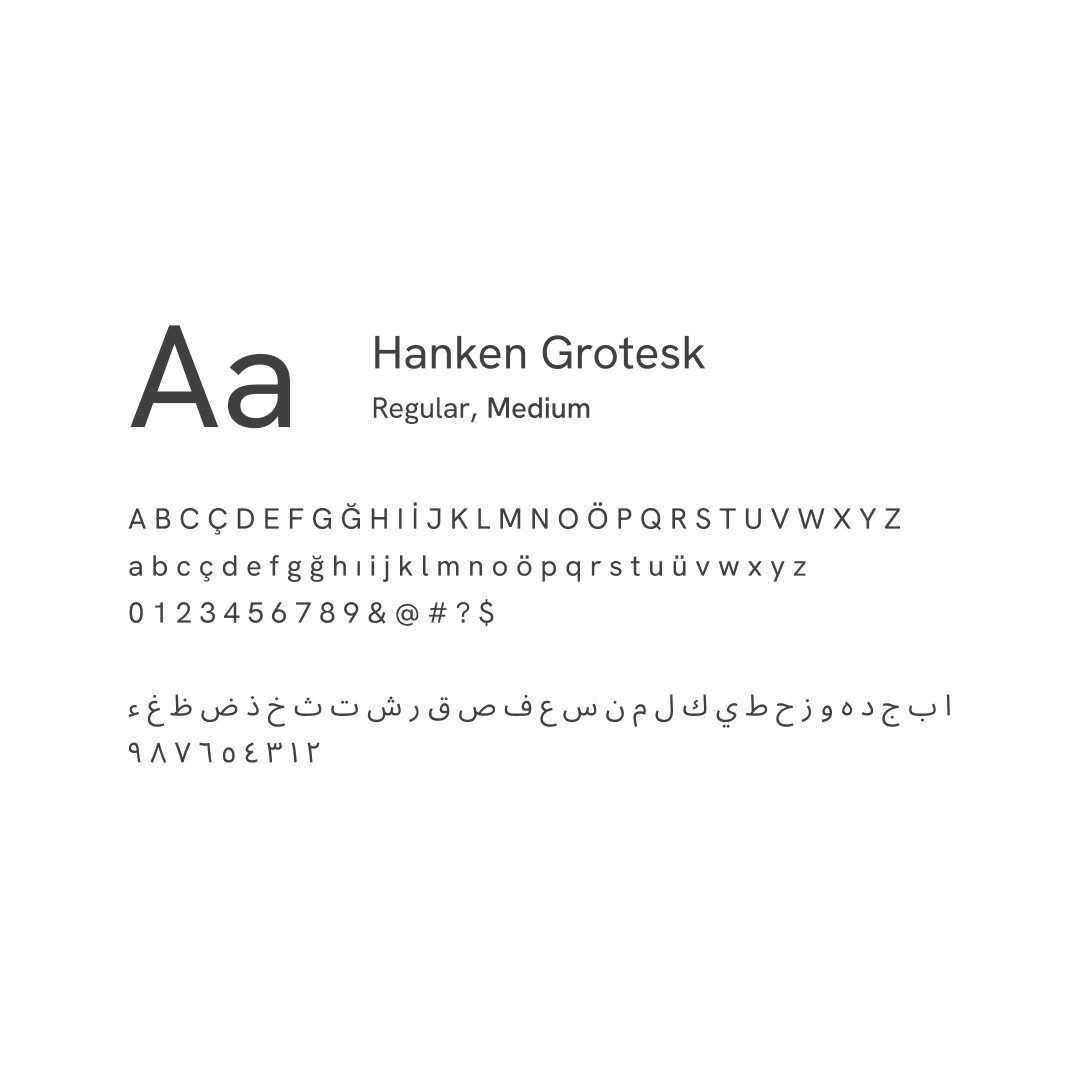
At the end of the design process, comprehensive style guides and design documentation were created. Colors, typography, components, and interaction principles were clearly defined to establish a solid foundation for sustainable development.
These guidelines supported developer teams throughout implementation, streamlining the development process and ensuring consistency between design and production. As a result, a scalable and long-term product foundation was successfully delivered.